
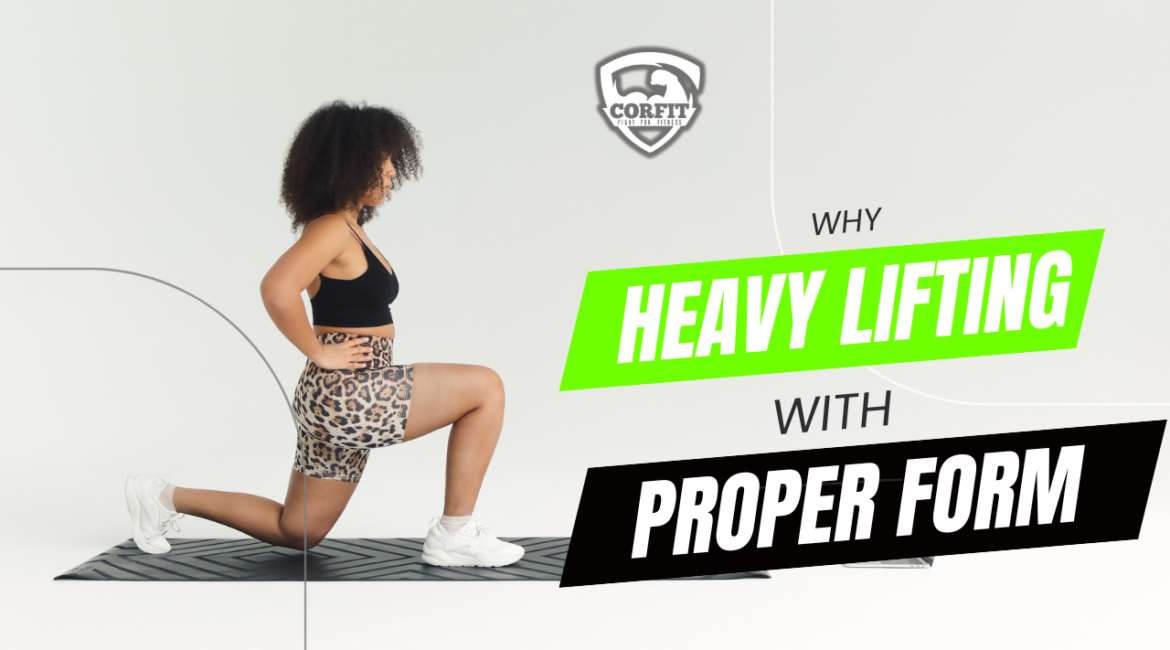
Strength training often raises the question: is it better to lift heavier weights or focus on maintaining proper form? While Heavy Lifting can help build strength and muscle mass, prioritizing proper form is essential for safety, effectiveness, and long-term progress. This article dives into why proper form matters, the risks of neglecting it, and how to integrate it into your fitness routine effectively. We’ll also provide SEO-optimized insights and valuable backlinks to guide your fitness journey.
Table of Contents
The Role of Proper Form in Strength Training
Proper form refers to performing exercises with the correct technique, posture, and movement patterns. It ensures your body functions optimally, reducing the risk of injury and maximizing the benefits of your workout.
Key Benefits of Proper Form
- Injury Prevention Incorrect form places undue stress on joints, ligaments, and muscles. For example, rounding your back during a squat increases the risk of lower back injuries. Proper form distributes load evenly, ensuring safety.
- Improved Muscle Activation Proper form ensures that target muscles are engaged effectively. A correctly executed deadlift, for instance, focuses on the glutes and hamstrings rather than shifting the load to the lower back.
- Sustainable Progress Training with proper form builds a solid foundation for strength. Over time, this allows you to lift heavier weights without compromising safety or efficiency.
The Risks of Prioritizing Heavy Lifting Over Form
While lifting heavier weights can feel rewarding, ignoring proper form can lead to:
- Increased Risk of Injury Overloading with improper form can cause acute injuries, such as muscle tears, or chronic issues like joint pain.
- Reduced Efficiency Poor form shifts focus away from the primary muscle groups, diminishing the exercise’s effectiveness. For instance, an improper bench press may over-engage the shoulders instead of the chest.
- Delayed Progress Repeated poor movement patterns can create muscle imbalances and hinder long-term progress. Fixing these habits later can be time-consuming and frustrating.



How to Maintain Proper Form
- Start Light Begin with manageable weights to master the technique. Gradually increase the load as your form improves.
- Seek Professional Guidance Enlisting the help of certified trainers at Corfit Gym ensures you learn and maintain proper technique from the start.
- Monitor Yourself Use mirrors or record your workouts to check for alignment and posture.
- Strengthen Core Muscles A strong core stabilizes your body during complex movements like deadlifts and squats. Incorporate core exercises such as planks into your routine.
- Warm-Up Properly Dynamic stretches and mobility exercises prepare your body for rigorous movements, improving form and preventing injuries.
Combining Heavy Lifting with Proper Form
Once you’ve mastered the basics of lifting, progressively increase the weight in your routine through progressive overload. This method helps build strength and muscle by gradually challenging your body. However, as the weights get heavier, maintaining proper form becomes crucial.
Good technique not only ensures effectiveness but also reduces the risk of injury. Focus on controlled movements and engaging the correct muscles during each exercise. If your form starts to break down—like arching your back or using momentum—it’s better to reduce the weight than compromise on technique.
Heavy lifting isn’t just about moving weight; it’s about precision, control, and discipline. Pair your training with proper recovery, a balanced diet, and patience to achieve sustainable, long-term results. Prioritize quality over quantity, and your strength journey will be both safe and rewarding.
Conclusion
At Corfit Gym, we emphasize the importance of proper form in every workout. By focusing on technique, you can reduce injuries, improve efficiency, and achieve sustainable fitness goals. Heavy Lifting is only beneficial when it’s done safely and correctly.
Remember, the foundation of any successful strength training program starts with proper form. Take your time, seek professional guidance, and make each rep count!