
Technology has revolutionized every aspect of our lives, and fitness is no exception. The rise of wearable fitness technology has transformed how people track, analyze, and optimize their workouts. From smartwatches and fitness trackers to heart rate monitors and AI-powered coaching devices, these gadgets have made fitness routines more efficient and personalized. In this article, we will explore how wearable technology enhances workout performance, tracks progress, and helps individuals achieve their fitness goals faster.
Table of Contents
The Evolution of Wearable Fitness Technology
Wearable fitness technology has evolved significantly over the years. Initially, pedometers were the go-to devices for tracking steps, but today’s wearables offer advanced features like real-time heart rate monitoring, GPS tracking, sleep analysis, and AI-driven workout recommendations.
Key Milestones in Wearable Tech
- 2000s: Introduction of pedometers and basic step counters that helped individuals monitor their movement.
- 2010s: The rise of smartwatches and fitness bands with features such as heart rate monitoring, GPS tracking, and sleep analysis.
- 2020s: The integration of AI-driven smart coaching, real-time health tracking, and smart fabric technology that syncs with mobile applications.
These advancements have played a crucial role in allowing fitness enthusiasts to train smarter and maximize their workout efficiency.
How Wearable Tech Optimizes Workouts
1. Real-Time Performance Tracking
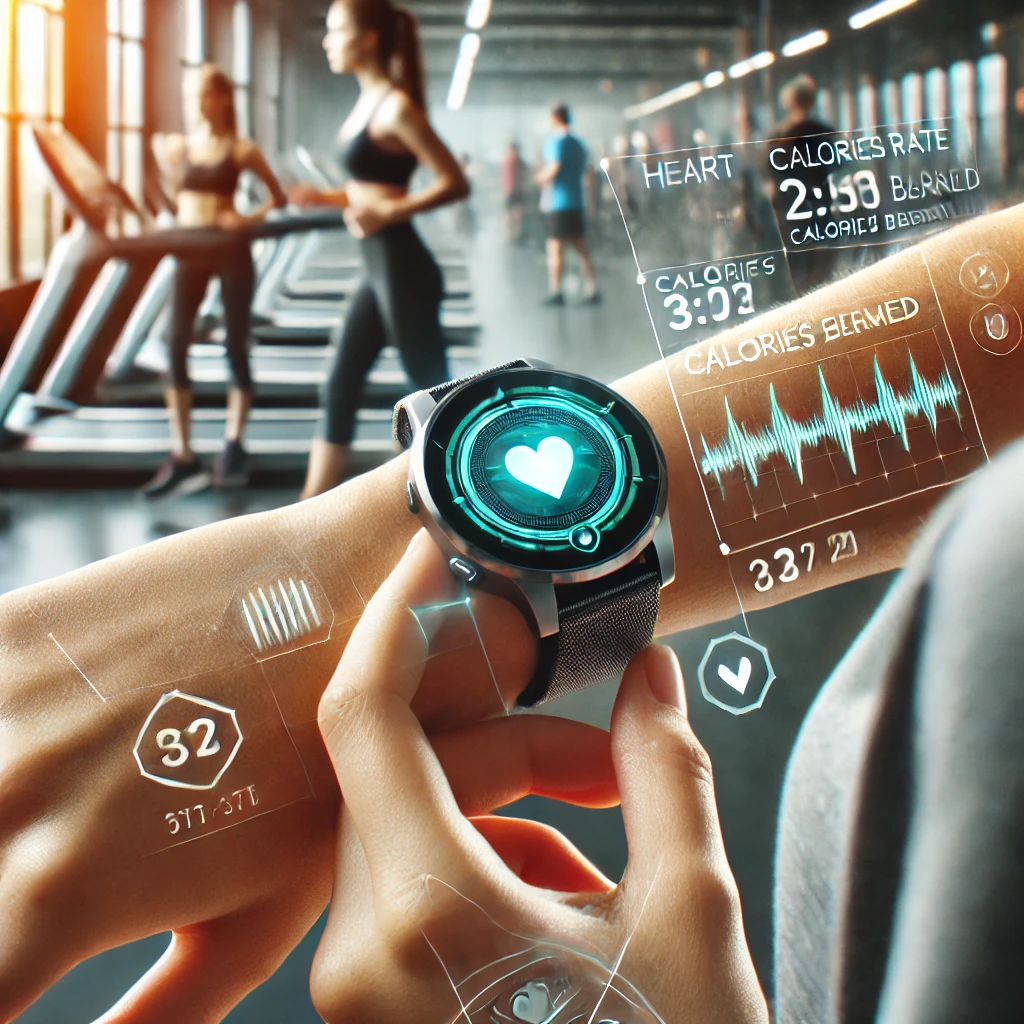
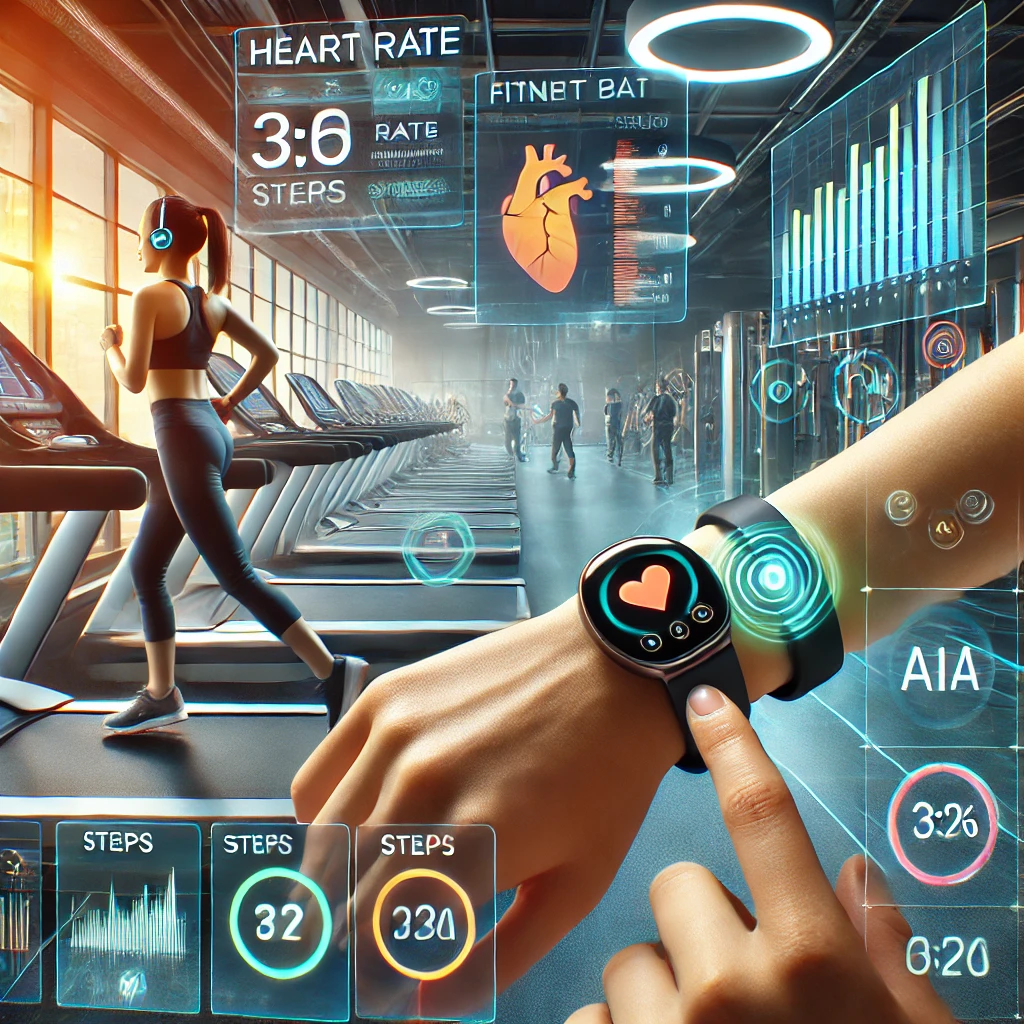
Wearable devices provide real-time insights into various workout metrics such as:
- Heart Rate Monitoring: Ensures optimal intensity for fat burning and endurance training. Users can see their heart rate zones and adjust accordingly.
- Step Counting: Helps users track their daily movement and encourages them to stay active.
- Calories Burned: Estimates the energy expenditure during various activities, helping individuals manage their fitness goals better.
- Oxygen Levels (SpO2 Monitoring): Assesses overall cardiovascular health and helps in tracking recovery rates.
These features allow gym-goers to make instant adjustments to their workouts, ensuring they stay on track to achieve their fitness goals.
2. Personalized Workout Plans
AI-powered wearable devices can create customized workout plans based on individual fitness levels and goals. These devices analyze data and provide:
- Adaptive Training Programs: Modify workouts dynamically based on user performance and recovery levels.
- Virtual Coaching: Offers real-time feedback and guidance on proper exercise techniques.
- Fatigue Monitoring: Helps users avoid overtraining by suggesting rest periods and recovery strategies.
By following personalized plans, users can ensure they maximize the effectiveness of their workouts while reducing the risk of injuries.
3. Enhanced Motivation and Accountability
Staying motivated can be challenging, but wearable tech enhances engagement through:
- Goal Setting and Reminders: Users can set daily, weekly, or monthly goals and receive reminders to stay on track.
- Activity Rings and Streaks: Encourages consistency with visual progress tracking.
- Social Features: Allows users to compete with friends, join fitness challenges, and share progress on social media.
These features make workouts more engaging and rewarding, turning fitness into a fun and immersive experience.
4. Injury Prevention and Recovery Monitoring
Wearable fitness technology significantly reduces the risk of injuries by offering:
- Posture Correction Alerts: Devices notify users if they are performing exercises incorrectly to prevent strain or injuries.
- Recovery Tracking: Monitors heart rate variability (HRV) to determine if the body is ready for high-intensity workouts.
- Sleep Analysis: Provides insights into sleep quality, ensuring individuals get adequate rest for muscle recovery.
By focusing on recovery and injury prevention, wearable tech helps athletes and fitness enthusiasts maintain peak performance without overtraining.
5. Smart Integration with Gym Equipment
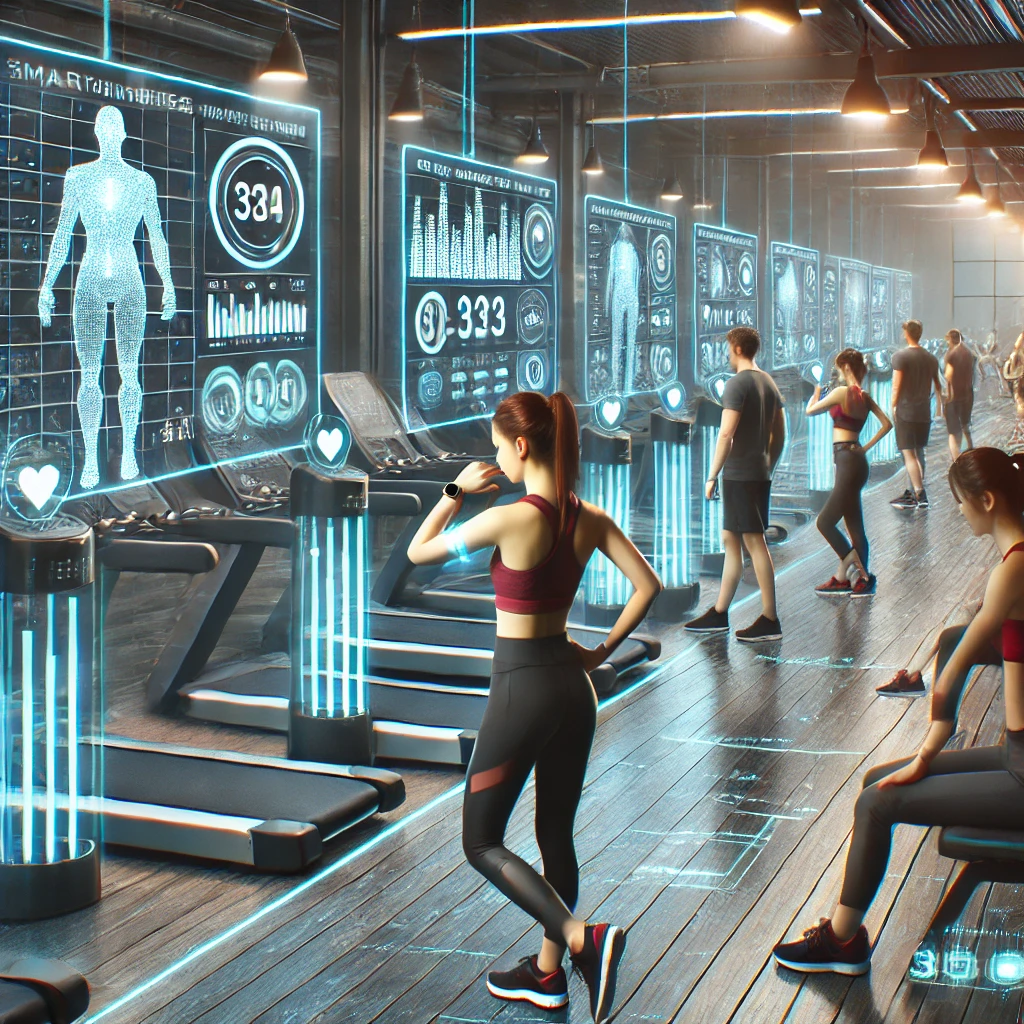
Modern gyms, like Corfit Gym, integrate smart wearable devices with exercise equipment to enhance workout efficiency. Some of the features include:
- Connected Treadmills and Bikes: Syncs with wearables to track performance and provide real-time feedback.
- AI-Powered Strength Training Machines: Automatically adjusts resistance levels based on real-time biometric data.
- Automated Workout Logging: Saves workout history directly to fitness apps, eliminating the need for manual tracking.
This seamless integration allows gym members to maximize their time and effort in the gym while improving overall performance.
Popular Wearable Devices for Fitness Enthusiasts
1. Smartwatches
Leading smartwatches like the Apple Watch, Samsung Galaxy Watch, and Garmin Fenix offer advanced fitness tracking, ECG monitoring, and personalized workout guidance.
2. Fitness Bands
Affordable options like Fitbit Charge, Xiaomi Mi Band, and Whoop Strap provide excellent step tracking, heart rate monitoring, and sleep tracking features.
3. Heart Rate Monitors
Devices like Polar H10 and Wahoo Tickr deliver precise heart rate readings, making them perfect for athletes and serious fitness enthusiasts.
4. Smart Rings
Wearables like the Oura Ring track sleep patterns, readiness scores, and overall health metrics in a compact and stylish design.
5. AI-Powered Workout Headphones
Headphones like Bose Frames Tempo and Jabra Elite Sport not only deliver high-quality music but also provide real-time coaching based on biometric data.
How to Choose the Right Wearable for Your Fitness Goals
When selecting a wearable device, consider:
- Fitness Goals: Weight loss, muscle building, endurance training, or general fitness.
- Budget: Basic trackers are affordable, while premium smartwatches offer advanced features.
- Compatibility: Ensure the device syncs with your preferred fitness app.
- Battery Life: Longer battery life reduces the need for frequent charging.
Choosing the right wearable ensures that you get the most value from your fitness journey.
The Future of Wearable Fitness Technology
The future of wearable fitness technology looks promising with advancements in:
- AI-Powered Personal Coaching: More intuitive and interactive fitness guidance.
- Smart Clothing: Wearable fabrics that track biometric data seamlessly without additional devices.
- Advanced Health Monitoring: Continuous glucose monitoring, hydration tracking, and real-time injury detection.
- Virtual Reality (VR) Workouts: Immersive fitness experiences using VR and AR technology to make workouts more engaging.
As these innovations continue to evolve, wearable tech will become even more integrated into fitness and wellness routines, enhancing performance and convenience.
Conclusion
Wearable technology has revolutionized the fitness industry, offering gym-goers real-time insights, personalized workout plans, and improved motivation. By incorporating smart devices into workouts, individuals can track progress, prevent injuries, and achieve their fitness goals efficiently. At Corfit Gym, we encourage our members to embrace wearable technology to enhance their training experience and stay ahead in their fitness journey.
Are you ready to take your workouts to the next level? Visit Corfit Gym today and experience the power of wearable fitness technology!