

In the ever-evolving world of fitness, testosterone-boosting workouts have gained immense popularity. Many fitness enthusiasts and professionals claim that specific exercises can naturally elevate testosterone levels, leading to increased muscle growth, enhanced strength, improved mood, and better overall well-being. But do these workouts really work, or are they just another fitness trend? Let’s explore the science and effectiveness behind testosterone-boosting workouts, diving deep into the mechanisms that drive hormonal changes and what individuals can do to maximize their results.

Table of Contents
Understanding Testosterone
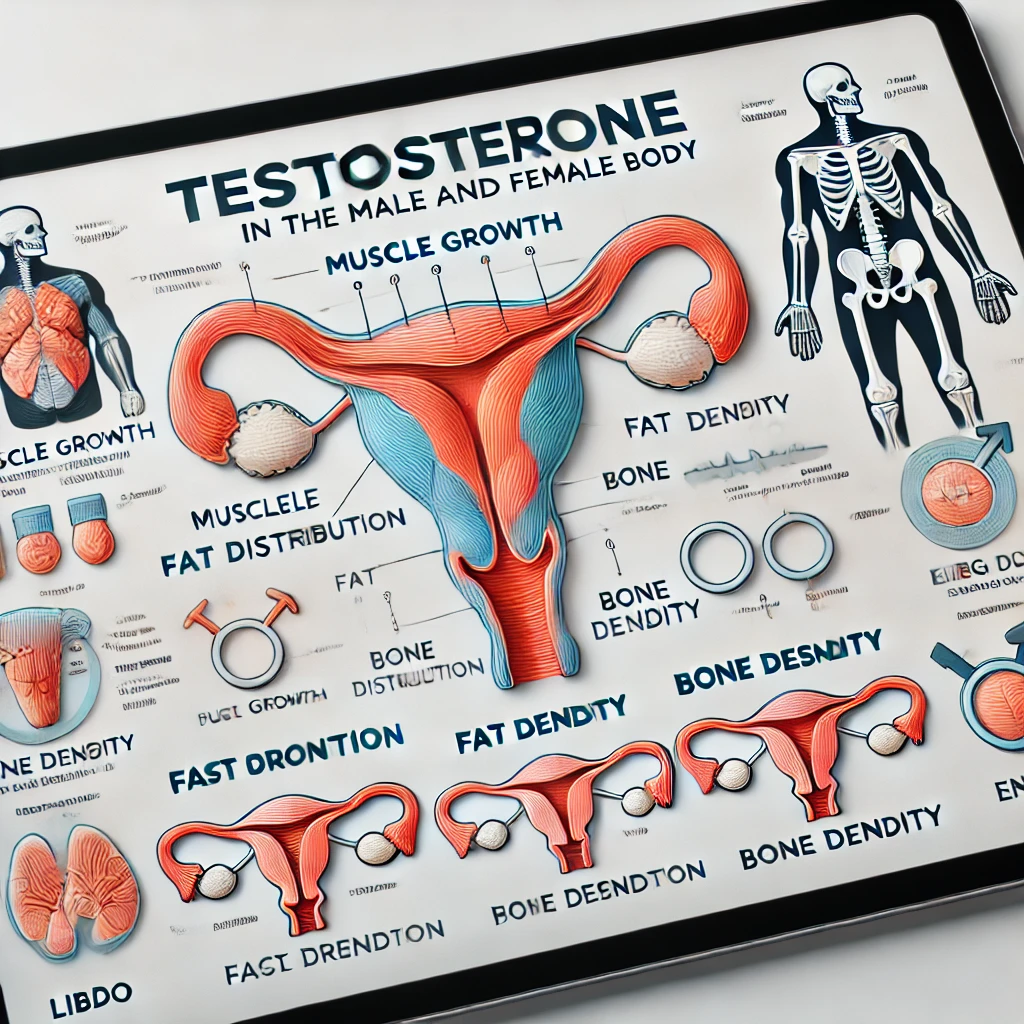
Testosterone is a crucial androgenic hormone primarily responsible for muscle development, fat distribution, bone density, libido, and overall energy levels in both men and women. While men naturally have higher testosterone levels than women, maintaining an optimal balance is essential for both genders. Factors such as age, diet, sleep, stress, and physical activity play a significant role in regulating testosterone production.
Testosterone levels naturally decline with age, typically beginning around the age of 30 at a rate of about 1% per year. This decline can lead to various symptoms, including reduced muscle mass, fatigue, low libido, and even mental health issues like depression and anxiety. Because of this, many people seek ways to naturally boost testosterone levels through exercise, diet, and lifestyle modifications.

Exercises That Claim to Boost Testosterone
Several workout routines have been linked to increased testosterone production. These workouts focus on large muscle groups and compound movements that create a greater hormonal response. Let’s take a closer look at some of the most commonly recommended exercises:

1. Heavy Compound Lifts
- Compound movements like squats, deadlifts, bench presses, and overhead presses are known to engage multiple muscle groups, triggering a hormonal response that may boost testosterone levels.
- Research suggests that lifting heavy weights with lower repetitions (around 4-6 reps per set) and longer rest periods can stimulate greater testosterone production compared to higher rep, endurance-based training.
- Full-body resistance training that incorporates squats and deadlifts has been shown to increase serum testosterone levels immediately after a workout.
2. High-Intensity Interval Training (HIIT)
- HIIT involves short bursts of intense activity followed by brief rest periods. This training style has been linked to increased testosterone levels, especially when performed with sprints or bodyweight exercises.
- Studies indicate that HIIT workouts that involve sprinting, cycling, or battle ropes may lead to higher acute spikes in testosterone compared to steady-state cardio workouts.
- The key factor in HIIT’s effectiveness is the intensity level, as maximum exertion during intervals stimulates greater hormonal responses.
3. Resistance Training
- Engaging in resistance training at least three to five times a week is believed to contribute to increased testosterone levels.
- Exercises such as pull-ups, push-ups, kettlebell swings, and heavy resistance band exercises fall under this category.
- Progressive overload, where the intensity of training is gradually increased over time, is crucial for continuous improvements in testosterone production.
4. Leg Workouts
- Lower-body exercises, particularly squats, lunges, and leg presses, stimulate larger muscle groups, leading to a significant testosterone boost.
- Scientific studies indicate that skipping leg day may lead to reduced overall hormone production, as leg exercises activate more muscle fibers than most upper-body workouts.
- Training the legs effectively also helps in better overall circulation of hormones, which supports testosterone distribution throughout the body.
The Science Behind It
Scientific research suggests that strength training and high-intensity workouts can lead to a temporary spike in testosterone. However, this increase is often short-lived, typically lasting for only a few hours post-exercise. While acute boosts in testosterone are beneficial, long-term testosterone enhancement depends on various factors, including consistency in training, proper nutrition, and sufficient rest.
Key findings from research studies include:
- Testosterone levels rise in response to resistance training, but the duration of the increase varies from person to person.
- Exercises involving large muscle groups tend to have a more significant impact on hormonal responses compared to isolation exercises.
- Rest periods between sets also play a crucial role. Longer rest periods (1.5 to 2 minutes) between sets are more effective in maximizing testosterone response compared to short rest periods.
- Overtraining and excessive exercise without adequate recovery can lead to decreased testosterone production due to elevated cortisol levels.
Factors That Influence Testosterone Levels
Even the most effective workouts may not yield desired results if other lifestyle factors are not aligned. Here are key elements to consider:
1. Nutrition
- A protein-rich diet with healthy fats and essential vitamins like Vitamin D, Zinc, and Magnesium can support testosterone production.
- Consuming omega-3 fatty acids from fish or flaxseeds has been shown to positively influence hormone levels.
- Processed foods and excessive sugar intake can negatively impact testosterone levels by promoting insulin resistance and increasing inflammation.
2. Sleep
- Poor sleep patterns can significantly reduce testosterone levels. Aim for 7-9 hours of quality sleep each night.
- The majority of daily testosterone production occurs during REM sleep cycles, making sleep a non-negotiable factor in optimizing hormonal balance.
3. Stress Management
- Chronic stress leads to increased cortisol levels, which can suppress testosterone production.
- Stress-reducing activities such as meditation, yoga, and deep breathing exercises can help balance hormone levels.
4. Consistency
- Regular and structured workouts are more beneficial than sporadic exercise sessions.
- Implementing a long-term fitness plan that includes both strength training and cardiovascular exercise is key to maintaining stable testosterone levels.

Do Testosterone-Boosting Workouts Really Work?
While testosterone-boosting workouts have scientific backing, they are not a magic solution. The key to sustainable hormonal balance lies in a combination of proper exercise, nutrition, rest, and stress management. Strength training and HIIT workouts can certainly support testosterone production, but expecting dramatic hormonal changes solely from exercise may lead to disappointment.
Long-term testosterone optimization requires a holistic approach that incorporates:
- Proper diet with essential nutrients
- Regular and intense strength training
- Sufficient recovery and sleep
- Effective stress management techniques
- Avoidance of excessive alcohol and processed foods
Conclusion
Testosterone-boosting workouts have a strong foundation in exercise science, but their effectiveness depends on multiple lifestyle factors. By incorporating heavy lifting, HIIT, and resistance training into a well-rounded fitness regimen, individuals can support natural testosterone production. However, it’s essential to take a balanced approach, as excessive exercise without proper recovery may lead to negative effects. To maximize results, consistency, proper diet, and adequate recovery should always be prioritized.
Unlock your true strength and boost your testosterone naturally—join Corfit Gym today and take your fitness to the next level! 💪🔥 #CorfitGym #TrainHard #BoostTestosterone