
When it comes to fitness, health, and overall well-being, protein is often hailed as a “super nutrient.” From bodybuilders to casual gym-goers, many people believe that consuming massive amounts of protein is the key to building muscle, losing weight, and boosting performance. However, like many other health-related topics, there are plenty of myths surrounding protein intake that need clarification. In this article, we’ll debunk common protein myths and shed light on how much protein you truly need based on your goals and lifestyle.
Table of Contents
Myth 1: More Protein Equals More Muscle
One of the most widespread protein myths is that consuming excessive protein automatically leads to bigger muscles. While protein is crucial for muscle growth and repair, more doesn’t always mean better. The body can only use a certain amount of protein to build muscle; consuming too much simply results in excess protein being broken down for energy or stored as fat.
The truth: Aim for approximately 1.6 to 2.2 grams of protein per kilogram of body weight if you’re trying to build muscle. For most people, around 1.2 to 2 grams per kilogram is sufficient for effective muscle development.
Myth 2: You Can Only Absorb a Small Amount of Protein at Once
Many people believe that the body can only absorb 20 to 30 grams of protein per meal and that anything more is wasted. This myth stems from the idea that the body can only use a small amount of protein at a time for muscle synthesis.
The truth: The body can absorb more than 30 grams of protein in one sitting. What matters more is the total daily intake of protein, spread across meals. Consuming protein throughout the day allows for better muscle protein synthesis and overall body function.
Myth 3: Protein Shakes Are Essential for Muscle Growth
Protein supplements, particularly protein shakes, have become synonymous with muscle growth. However, many believe they are a necessity for gaining muscle mass.
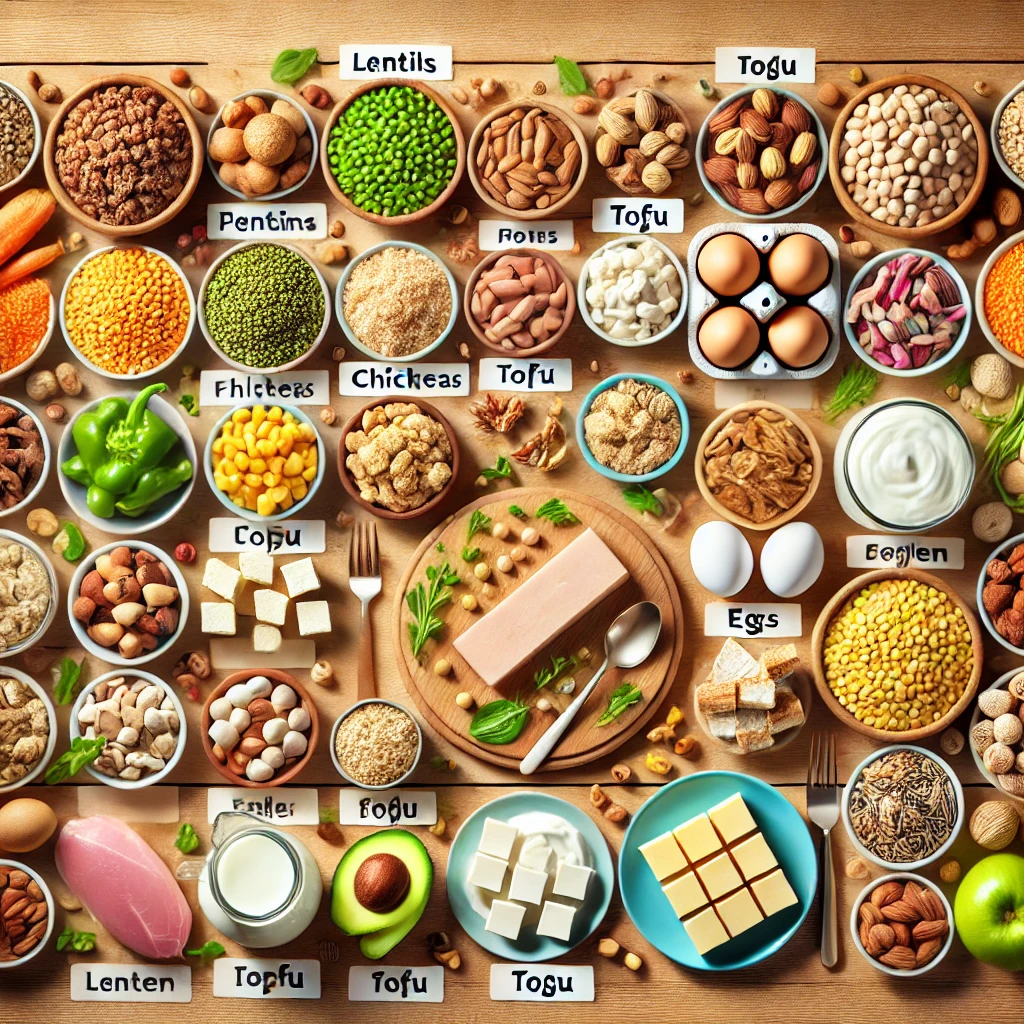
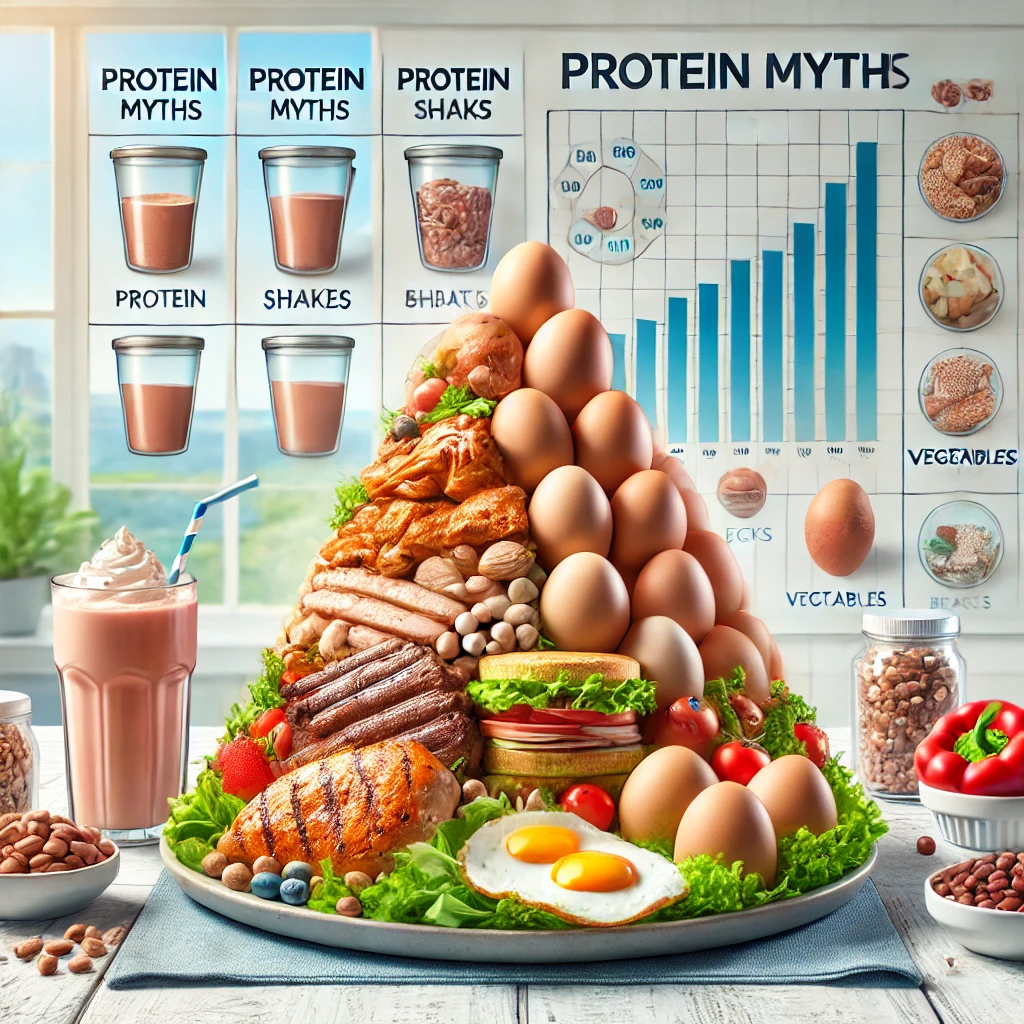
The truth: While protein shakes are convenient, whole foods are often the best source of protein. Foods like chicken, fish, eggs, beans, and lentils provide essential nutrients along with protein. Protein shakes are only necessary if you’re struggling to meet your daily protein needs through food alone.
Myth 4: High-Protein Diets Are Bad for Your Kidneys .Protein Myths
Some people believe that consuming a high-protein diet can damage your kidneys, especially those with pre-existing kidney conditions. This myth has been perpetuated by fears that too much protein places excessive strain on the kidneys.
The truth: For healthy individuals, there is no solid evidence linking high-protein diets with kidney damage. However, those with kidney disease or impaired kidney function should consult a healthcare professional before increasing their protein intake. A well-balanced, varied diet is essential for overall kidney health.
Myth 5: Protein Is Only for Bodybuilders
Protein is often marketed as a supplement only needed by bodybuilders or athletes, but this is far from the truth. Everyone needs protein to function properly.
The truth: Protein is an essential nutrient for all individuals, regardless of activity level. It’s necessary for the growth and repair of tissues, production of enzymes and hormones, and immune system function. The recommended dietary allowance (RDA) for protein is 0.8 grams per kilogram of body weight for the average adult. Active individuals and those aiming to lose weight or build muscle may require more protein.
Myth 6: Plant-Based Proteins Aren’t Complete Proteins
For vegetarians or those following a plant-based diet, there’s often confusion about whether plant-based proteins can provide all the essential amino acids needed by the body.
The truth: While some plant-based proteins are considered incomplete (they lack one or more essential amino acids), it’s entirely possible to get all the essential amino acids by eating a variety of plant-based foods. For example, combining rice and beans creates a complete protein profile.
How Much Protein Do You Really Need?
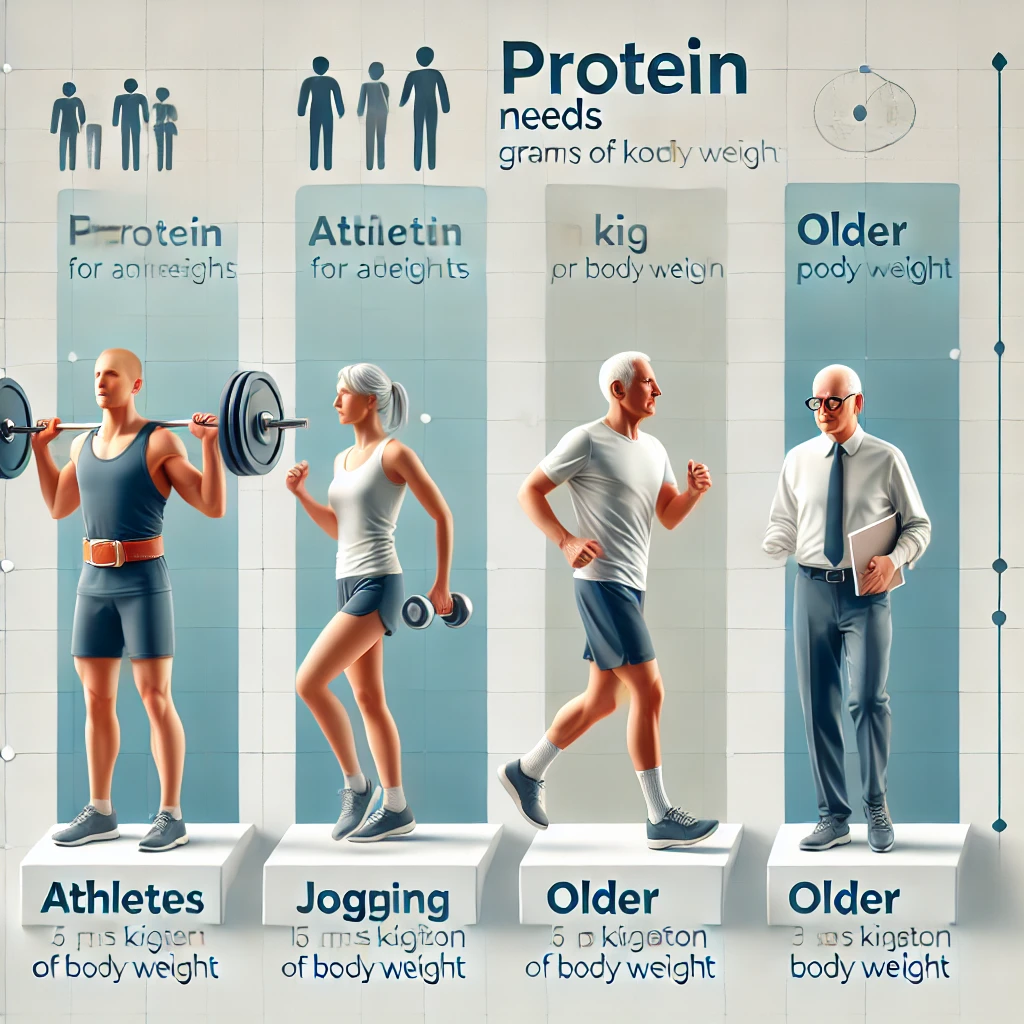
Protein needs vary based on several factors, including age, activity level, and health goals. Here’s a general guideline based on different needs:
- General Health: For the average adult, aim for 0.8 grams of protein per kilogram of body weight daily.
- Active Adults: If you’re regularly exercising or trying to build muscle, you may need 1.2 to 2.0 grams per kilogram of body weight.
- Older Adults: As we age, our muscle mass decreases, so older adults may benefit from higher protein intake (around 1.0 to 1.2 grams per kilogram) to preserve muscle mass and prevent frailty.
- Weight Loss: If you’re trying to lose weight, higher protein intake (around 1.6 grams per kilogram) can help preserve lean muscle while promoting fat loss.
Conclusion
Protein is undoubtedly an important nutrient, but it’s essential to separate fact from fiction when it comes to how much you need. There’s no “one-size-fits-all” answer, as protein requirements vary depending on factors like age, gender, activity level, and specific goals. The key is to ensure you’re meeting your protein needs consistently, without falling for myths or trends that promise unrealistic results. Whether you’re aiming to build muscle, lose weight, or simply maintain a healthy lifestyle, the right amount of protein can support your overall health and wellness.
Pro Tip: For optimal health, aim to consume protein from a variety of sources, including lean meats, dairy, beans, lentils, and nuts, to get the full spectrum of nutrients your body requires.
At Corfit Gym, we don’t just build muscles – we build confidence, strength, and a healthier you. Join us today and redefine your fitness journey!